

A small farming village was threatened with drought because the rains had failed to arrive. On a hot and dry Sunday, the pastor told his congregation, “There isn’t anything that will save us except to pray for rain. Go home, pray, believe, and come back next Sunday ready to thank God for sending rain.” The people returned to church the following Sunday. As they sat down the Pastor gently rebuked them. “We can’t worship today because you do not yet believe,” he said. “But we prayed” they protested, “and we do believe.” “Believe?” he responded. “Then where are your umbrellas?” Faith is made visible by our actions. So let me ask you this morning “Where are your umbrellas?” Do you have umbrella faith?
Category Archives: Theology
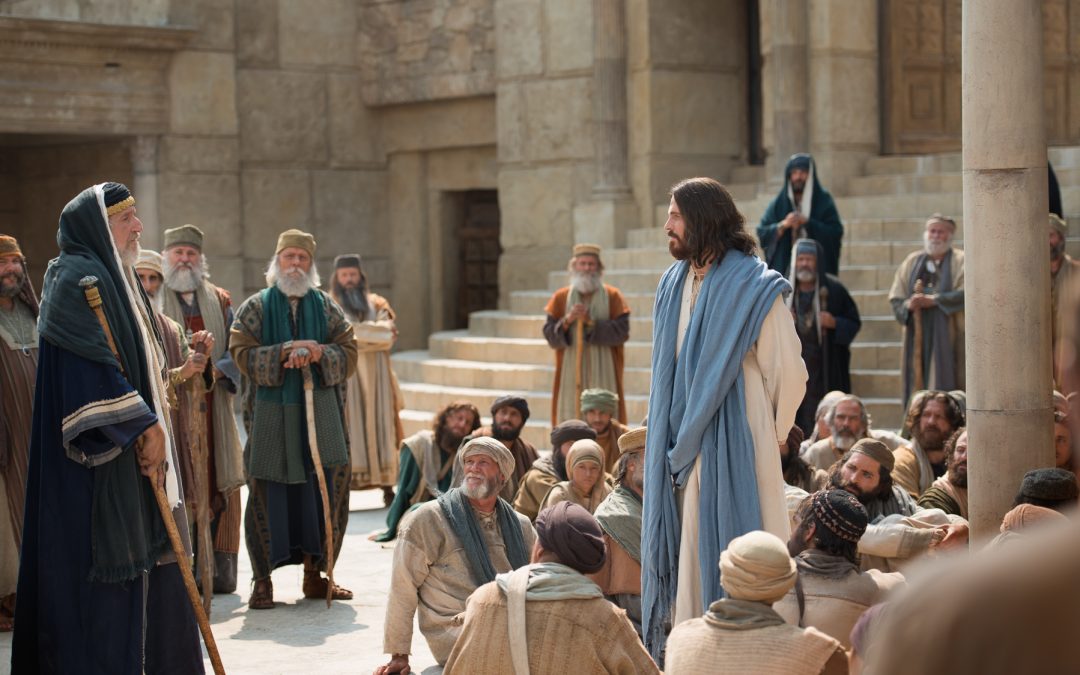
Jesus and your Confirmation Bias
 Bertrand Russell once said, “Most people would rather die than think; in fact, they do so.” A recent research study at the University of Iowa, seems to confirm that. Researchers found that people are reluctant to change their minds and adapt their views, even when new information has been presented. This holds true even if they stand to lose money.
The phenomenon is called “confirmation bias” and apparently operates at a subconscious level at all times. The new research confirms numerous previous studies which show people invariably stick to their original viewpoint even when new facts contradict those beliefs. When faced with facts that don’t fit, we tend to ignore or change them to fit our beliefs.[1]
In our gospel reading this morning, Mark 3:20-35, we see confirmation bias at work. Faced with the same facts, people reach very different conclusions about Jesus. Continue reading
Jesus the Peacemaker
 “Treacherous colleagues, competitive friends, bloody-minded commuters – it’s a war out there. And according to Robert Greene, it’s a conflict we’re ill-equipped to deal with. After analysing the moves of history’s great military leaders, he’s written a rulebook to achieving victory in life’s daily battles.”[1]
Spanning world civilizations, synthesizing dozens of political, philosophical, and religious texts and thousands of years of violent conflict, The 33 Strategies of War is a comprehensive guide to the subtle social game of everyday life informed by the most ingenious and effective military principles in war. Abundantly illustrated with examples from history, including the folly and genius of everyone from Napoleon Bonaparte to Margaret Thatcher, from Shaka the Zulu to Lord Nelson, and from Hannibal to Ulysses S. Grant, each of the thirty-three chapters outlines a strategy that will help you win life’s wars. Learn the offensive strategies that require you to maintain the initiative and negotiate from a position of strength, or the defensive strategies designed to help you respond to dangerous situations and avoid unwinnable wars.[2] Continue reading
Lord, Teach us to Pray
 I wonder if you are old enough to remember the early Beatles hit, “Help”? How do the lyrics go? “Help. I need somebody. Help. Not just anybody. Help. You know I need someone. Help!” Some people view prayer that way. They only call on God when they have a problem.
Corrie ten Boom, knew the importance of prayer. She once asked the question, “Is prayer your steering wheel or your spare tyre?” While your car has both, they have very different purposes. When you are driving, your need to keep your hands on the steering wheel at all times.
The steering wheel allows you to navigate and gets you to your destination safely. But the spare tyre plays a secondary role. You may never have touched the spare tyre in your car. You may not even know where it is. It is probably new and unused because it is only needed in case of an emergency.

How is your prayer life defined by this question? Is prayer like your steering wheel or a spare tyre? Does your prayer life guide you in every facet of your life? Is it something you have your hands on every waking moment of the day? Or is it like a spare tire, something you only use in times of emergency? For most of the day you forget that it’s there. You’re not even sure how to use it and find yourself struggling when you need to use it. Continue reading
What is Conversion?
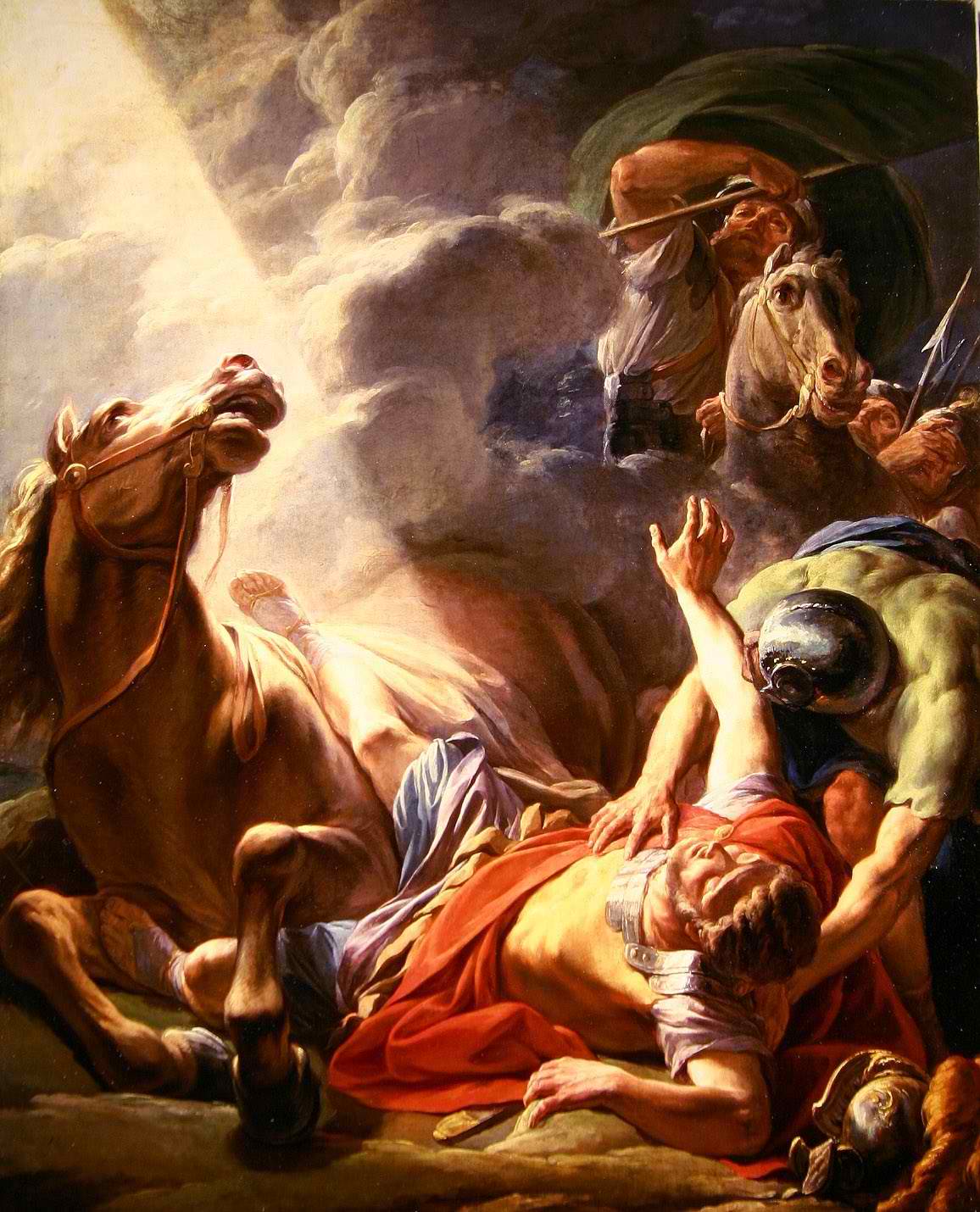 Frank Sinatra’s song, “I did it my way”, would have made a good epitaph on my early life. I was brought up in a Christian home, believed in God and we went to church on Sundays. I thought Jesus was a good man sent from God but Easter didn’t make sense. If only Jesus had not died, he could have done so much more good in the world. I had a Bible but it had small print and was written in old English so I rarely attempted to read it. When I left home and went to work in London for the Civil Service, I never got round to finding a church. I tried to live by the Ten Commandments and hoped that when I died, in the scales, my good would outweigh my bad. I remember praying on the way to work thanking God for the beauty of creation but he always seemed distant, like a sepia photo of my great-grandparent, we were related but I didn’t know them. Then I had the opportunity to go to University at Sussex. I met two people, Trent and Ed, who talked about Jesus as a personal friend. They explained that God loved me and created me to know and enjoy him for ever. They told me what I already know – that I fell short of God’s standards and although I may not be as bad as I could be, I could never be as good as I should be. My sin cut me off from God and because the wages of sin is death. The good news is that God sent his son, the Lord Jesus Christ, to die in our place, to forgive our sins and give us the gift of eternal life. They showed me that the Bible promised, if I trusted in Jesus as my Lord and Saviour I would experience God’s love and forgiveness.
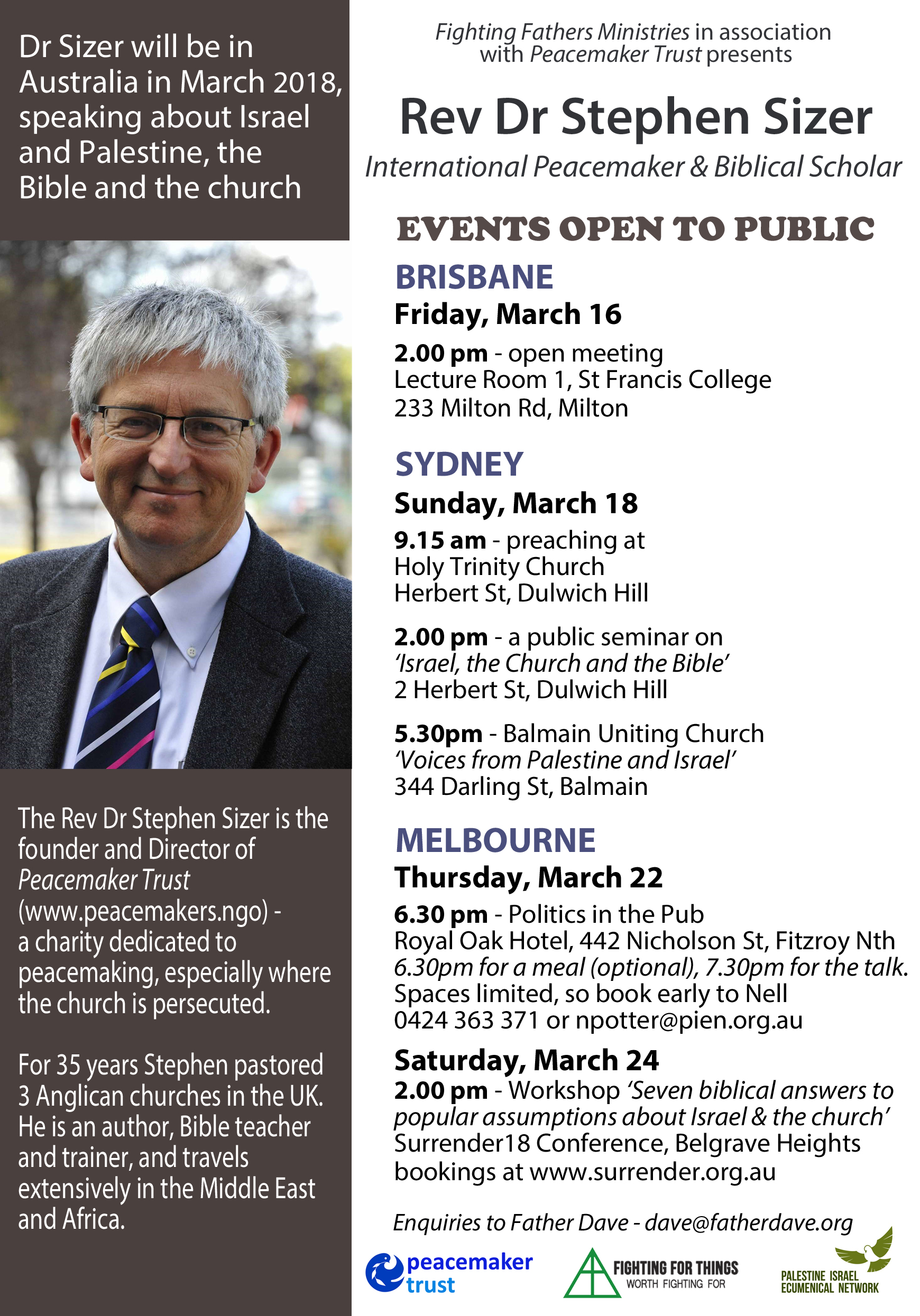
The Australia Tour
Blessed are the Peacemakers

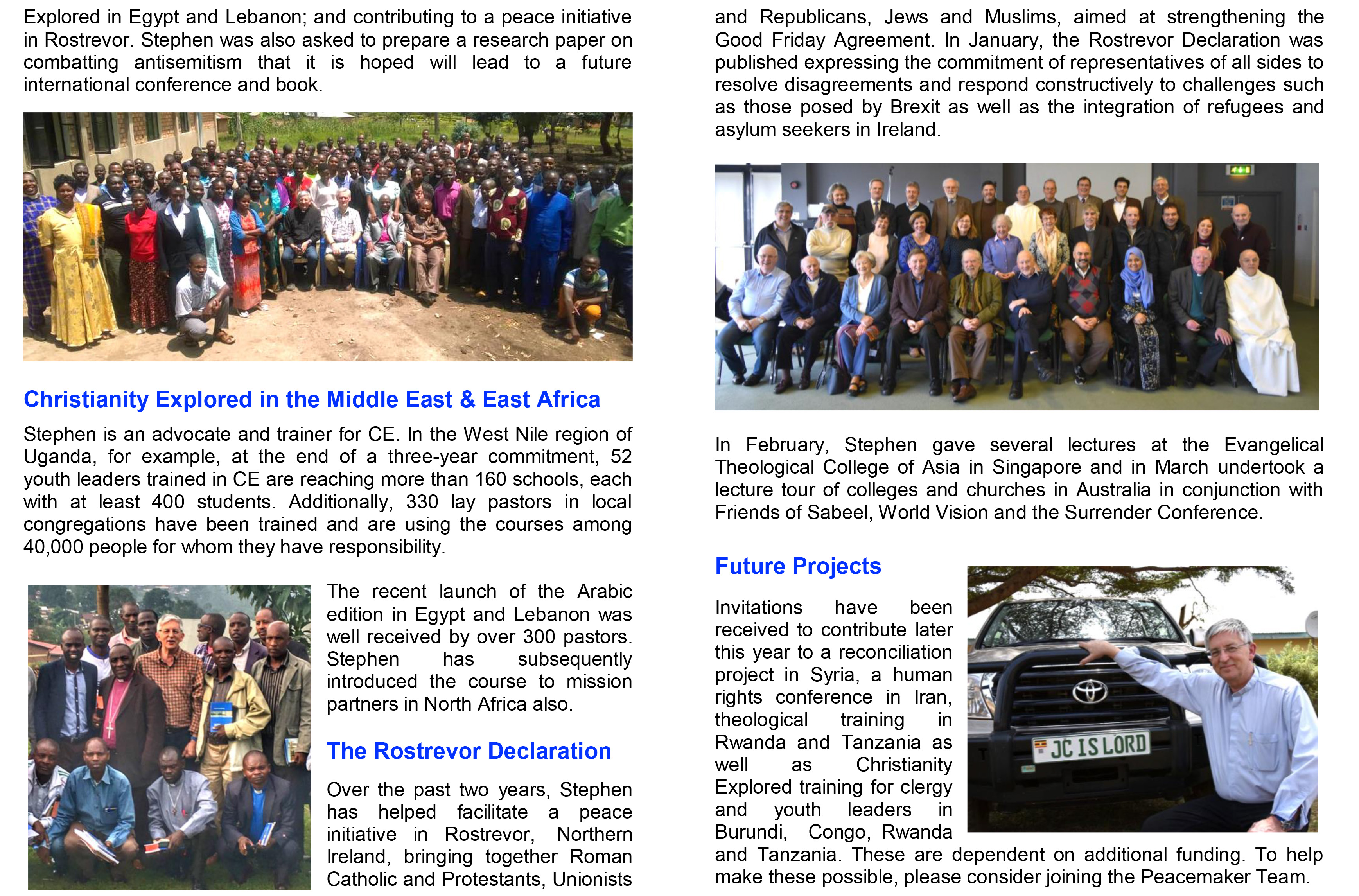
Join the Peacemaker Team – Peacemakers Donation Response Form
To receive regular updates visit our website
What Are We to Make of Jesus Christ?
 “Now the story of Christ is simply a true myth: a myth working on us in the same way as the others, but with the tremendous difference that it really happened.” — C. S. Lewis
‘What are we to make of Jesus Christ?’ This is a question, which has, in a sense, a frantically comic side. For the real question is not what are we to make of Christ, but what is He to make of us? The picture of a fly sitting deciding what it is going to make of an elephant has comic elements about it. But perhaps the questioner meant what are we to make of Him in the sense of ‘How are we to solve the historical problem set us by the recorded sayings and acts of this Man?’ This problem is to reconcile two things. On the one hand you have got the almost generally admitted depth and sanity of His moral teaching, which is not very seriously questioned, even by those who are opposed to Christianity. In fact, I find when I am arguing with very anti-God people that they rather make a point of saying, ‘I am entirely in favour of the moral teaching of Christianity’ — and there seems to be a general agreement that in the teaching of this Man and of His immediate followers, moral truth is exhibited at its purest and best. It is not sloppy idealism; it is full of wisdom and shrewdness. The whole thing is realistic, fresh to the highest degree, the product of a sane mind. That is one phenomenon.
The Call of Jesus “Follow me” : John 1:43-51
 When you were a child, who or what did you want to be when you grew up? As a child, I dreaded the Christmas visits to aunts and uncles. Every year they would ask me the same question: “What do you want to be when you grow up?” I hadn’t a clue. In many societies, you are expected to join the family trade or you may become an apprentice to a master craftsman. That’s how my grandfather Lewis learnt his trade. My great-grandmother paid a local carpenter to take Lewis on as a young boy and teach him carpentry skills. I still have his articles of indenture. My grandfather became his pupil, a learner. Then when he too became a master craftsman, he took on my father who became his disciple. I broke the family tradition although I’m pretty good at putting Ikea furniture together. The greatest tragedy in life is not death, but life without meaning, without purpose. Many people go through life without ever discovering God’s purpose for their lives. We are not an accident. We were created for a purpose. We were made to have meaning.
Glory in the Ordinary: Luke 2:15-21
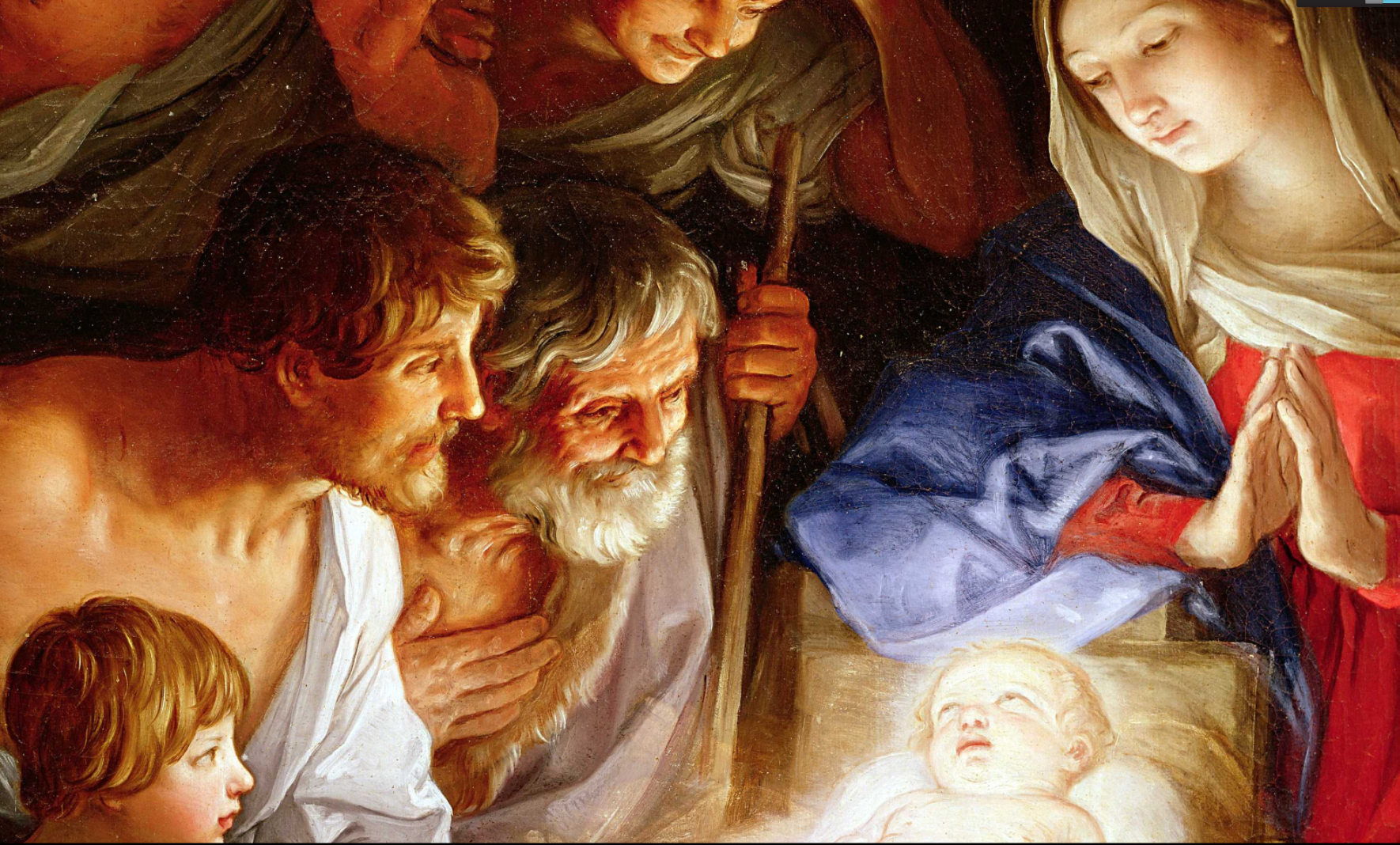 “When the angels had left them and gone into heaven, the shepherds said to one another, “Let’s go to Bethlehem and see this thing that has happened, which the Lord has told us about.” 16 So they hurried off and found Mary and Joseph, and the baby, who was lying in the manger.
17 When they had seen him, they spread the word concerning what had been told them about this child, 18 and all who heard it were amazed at what the shepherds said to them. 19 But Mary treasured up all these things and pondered them in her heart. 20 The shepherds returned, glorifying and praising God for all the things they had heard and seen, which were just as they had been told. 21 On the eighth day, when it was time to circumcise the child, he was named Jesus, the name the angel had given him before he was conceived.” (Luke 2:15-21)
There is one word that best describes the night the Lord Jesus was born – ordinary. The sky was ordinary. An occasional gust stirred the leaves and chilled the air. The stars were like diamonds sparkling on black velvet. Fleets of clouds floated in front of the moon. It was a beautiful night – a night worth peeking out of your bedroom window to admire – but not an unusual one. No reason to expect a surprise. Nothing to keep you awake. An ordinary night with an ordinary sky. The sheep were ordinary too. Some fat. Some scrawny. Some with barrel bellies. Some with twig legs. Common animals. No fleece made of gold. No history makers. No blue-ribbon winners. They were simply sheep – sleeping silhouettes on a hillside. And the shepherds? Peasants they were. Ancestors of today’s Bedouin. Wearing all the clothes they owned. Smelling like sheep and looking just as woolly. True they were conscientious, and hardy as well, to spend every night outside guarding their flocks. But you won’t find their staffs in a museum. You won’t find their writings in a library. No one asked for their opinion on social justice or the meaning of the Torah. They were anonymous, simple, ordinary people.