 Heartened by the recent historic meeting between Prime Minister David Cameron and Iranian President Hassan Rouhani, at the United Nations, signaling a long-overdue thawing of Anglo-Iranian relations, I was delighted to attend the New Horizons interfaith conference in Tehran last week, as a member of a UK delegation.
The conference addressed issues where faith and politics intersect in the Middle East such as Israel’s war on Gaza, Islamophobia in the West as well as the rise of ISIS and those sponsoring extremism.
“There is no teleology in western society, no guiding morality, only an obsession with materialism,” argued organizer Arash Darya-Bandari. “We believe it is necessary to control the negative tendencies in culture, such as pornography, alcohol, drugs, prostitution, to strive towards a more moral and justice society.”
One of the contributors, Eric Walberg wrote, “Contrary to the shrill cries in the western media that the conference was anti-Semitic, it was unique in my experience in addressing Zionism and US imperialism forthrightly and intelligently, without a hint of racism. The issue of anti-Semitism was addressed and dismissed, as “There is no issue with Jewish people or the Jewish religion,” explained Darya-Bandari, “but rather with Zionism, that secular distortion of Judaism that itself is racist, and has been used as a pretext to dispossess and kill Palestinians.”
He went on to report, “The conference issued a resolution condemning ISIS, Zionism, US unconditional support of Israel, Islamophobia, and calling for activism locally to boycott Israeli goods and to promote understanding between the West and the Muslim world, and to fight sectarianism. “This was a great opportunity to meet anti-imperialist activists from around the world, to bring Russians, Poles, western Europeans, North Americans together with Iranians and other Muslims, both Sunni and Shia, in a forum without sectarianism, truly supporting peace and understanding,” said delegate Mateusz Piskorski, director of the European Centre of Geopolitical Analysis in Warsaw and former MP in the Polish Sejm.”
I was invited to contribute to the opening ceremony and present a biblical perspective on Jihad and in particular, a Christian refutation of the Islamic State (IS). Later in the conference I was asked to present a paper on the impact of the Israel Lobby in the UK, especially in parliament and in the media, ahead of the publication of my new book on the subject.
“We are therefore Christ’s ambassadors, as though God were making his appeal through us. We implore you on Christ’s behalf: Be reconciled to God.” (2 Corinthians 5:20)
Ambassadors, of necessity serve in foreign countries, where perspectives may be different and at times even hostile to one’s own. But given the dire consequences of any breakdown in relations between countries, dialogue and diplomacy are always to be preferred over war and strife.
In the journal Diplomat, Michael Binyon asks,
“Are Christian church leaders becoming the world’s most active peacemakers? Only a week after President Peres of Israel and the Palestinian President Mahmoud Abbas accepted the Pope’s invitation to pray together with him in Rome, the Archbishop of Canterbury made a dramatic flight to Nigeria to pray with President Goodluck Jonathan and encourage him to make every effort to find the schoolgirls kidnapped by the terrorist organisation Boko Haram.
The Archbishop’s impromptu trip came hard on the heels of a visit to Pakistan, where he visited a small embattled Christian community and praised their efforts to forge closer links with the wider Muslim community, despite regular attacks by militants, the threats of mob violence and the increasing use of the notorious blasphemy laws to force Christians from their land and property…
Peacemaking and reconciliation – within the Anglican Church and between the world’s main faith groups – were the declared priority for Justin Welby from the moment he became Archbishop. He is well qualified for the role. As an oil executive who visited Nigeria often before his ordination, he has seen at first-hand the conflict raging between Christians and Muslims in Central Nigeria that is now taking a deadly toll. As a former head of Coventry Cathedral’s Centre for Reconciliation, he has himself conducted delicate negotiations between militant groups in an effort to free hostages, often risking his own life.”
A walk through the deserted US embassy in Tehran last week was a poignant reminder of how a failure to pursue diplomacy has fueled not only decades of missed opportunities but also perpetuated misunderstanding and animosity between our countries.
Ironically, the leaders in Jesus day, tried to dictate whom he could and could not meet with, criticizing him for eating with “tax collectors and sinners”. Clearly they considered his actions “conduct unbecoming” a rabbi. Thankfully for us he did not listen to them.
Critics of conferences such as New Horizons should think more carefully about how their inflammatory words will negatively impact on their own communities in Iran.
They would be better served following the examples set by our Prime Minister, the Pope and the Archbishop who, as true ambassadors, are working for peace and reconciliation.
 The “Pillars of Hercules,” which flank the entrance to the Straits of Gibraltar between Africa and Europe were from Roman times associated with the Latin phrase ne plus ultra, meaning “No More Beyond.” Certainly no one dared question the prevailing belief that there was nothing beyond the horizon. That was until 1492 when Christopher Columbus boldly sailed westward and discovered the New World. On his return, Spain celebrated with a new national logo. Coins were struck with two words: plus ultra meaning “More Beyond”. We are here tonight for this special remembrance service because ‘out of sight’ does not mean ‘out of mind’. But is there more beyond? More than simply the act of remembering the past? The Christian hope is that there is a new world beyond our horizon. Our Psalm this evening teaches us to look beyond our limited horizon, beyond what we can see, feel or touch. Psalm 103 inspires us to feel the heart beat of God’s love and realise there is indeed yet ‘more beyond’ our horizon to discover. More of God’s character to understand. More of his purposes to discover.
 Scientists have proven that birthdays are good for you, the more you have, the longer you live. Norman Wisdom once said, “As you get older, three things happen: The first is your memory goes, and I can’t remember the other two.” Inside every older person is a younger person, wondering what on earth happened. In a couple of weeks we will celebrate the 176th birthday of Christ Church. Today we remember the birthday of the Church under three headings: the context, the message and the experience of Pentecost. Please turn with me to Acts 2.
 There is deep inside each one of us a subconscious awareness that life is precarious. It is implicit when we kiss the children goodbye on their way to school with the words ‘Take care’ or to an adult friend, “Hope you keep well.” The fact is, disease can strike, accidents do happen, and unforeseen events interrupt our carefully planned and manicured lives. Naturally, we do everything we can to reduce the possibility. And in our relatively affluent, peaceful community, we can convince ourselves that we really are in control of our lives, cocooned from the world outside. Bad things happen to other people, and we’re confident they won’t happen to us.
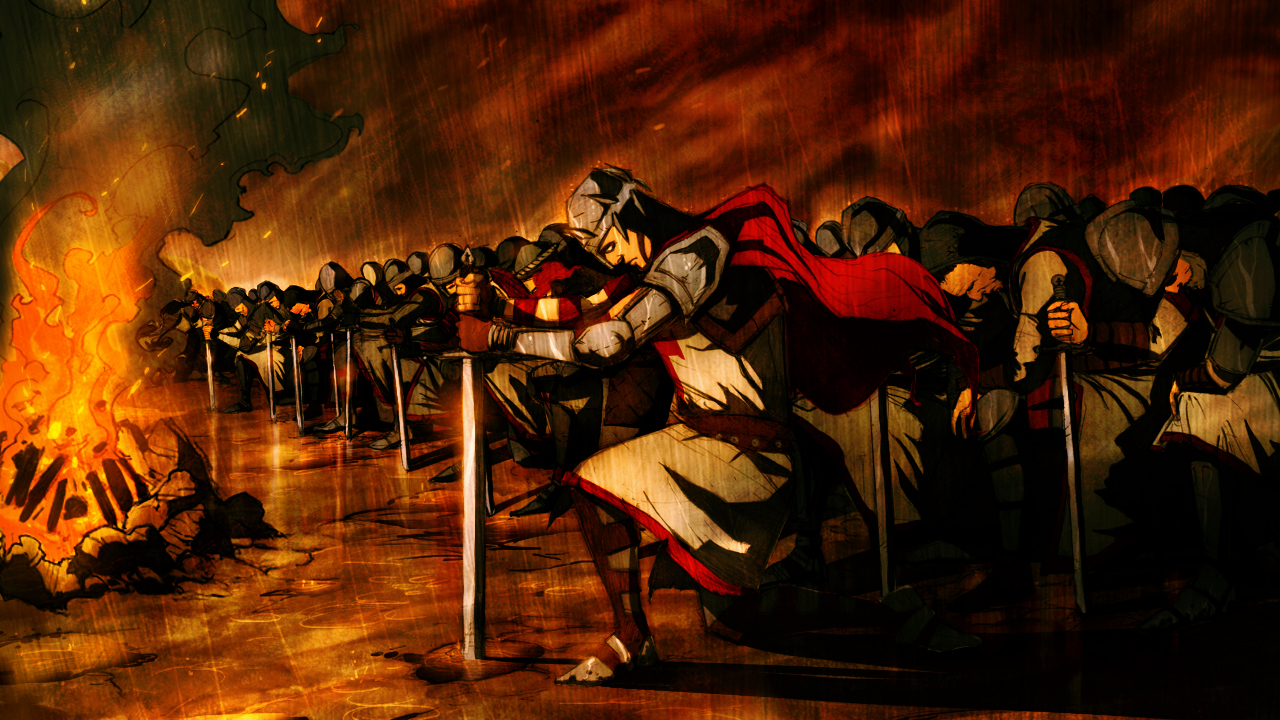 I hope that we would all agree ISIS is no more representative of Islam than Zionism is of Judaism, or the Crusades and Inquisition are of Christianity. But the reality is ISIS has attracted at least 3,000 young idealistic Muslims from Europe. And apocalyptic Christian Zionists are the dominant supporters of Israel’s colonialist expansionist agenda in Palestine.
 Three sermons on Jesus and Climate Change