William was born in Zundert, Holland in March 1853. The eldest of six children, his father was a Lutheran pastor. In 1869, aged 16 he left school and went to work for an art dealer in the Hague. Four years later he moved to London to work at the art dealer’s Southampton Street branch. As a bright young man, he wore a formal suit and top hat, and walked from his lodgings in Kensington to the Strand. He fell in love with Ursula, his landlady’s daughter. But she was already engaged and laughed at his affection for her. He turned to Jesus for consolation and found in him such comfort and strength that he was soon helping the local Methodist minister take meetings in Turnham Green and Petersham. He spent more and more time preaching among the poor. He wrote many letters to his brother Theo. On 13th October, 1876 he wrote,
 “Last Monday I was again at Richmond and my subject was, ‘He has sent me to preach the Gospel to the poor’ but whoever wants to preach the Gospel must first carry it in his own heart.”
His avourite hymn was “Tell me the old, old story of Jesus and his love”. His favourite reading, apart from the Bible, were the sermons of Charles H Spurgeon. The conviction grew that he should become a full-time evangelist. So in 1877 he returned to Holland to begin training for the ministry. But he found the academic demands of the theological college in Amsterdam too demanding and moved to a newly opened school for evangelists in Brussels. William lived among the coal miners and their families. He dressed like a peasant and shared their poverty, often going without food himself. William was concerned for their needs. He washed their clothes. He cared for their sick and consoled their dying. And he led them to Jesus. His methods were Christ-like – incarnational. But the church leaders were threatened by his success and would have nothing to do with him. Indeed they eventually hounded him out of the ministry… One of the most fruitful Christian evangelists in the world, rejected by the Church. Like many others, before and since, William took comfort from his Lord,
“Blessed are you when people insult you, persecute you and falsely say all kinds of evil against you because of me. Rejoice and be glad, because great is your reward in heaven, for in the same way they persecuted the prophets who were before you.” (Matthew 5:11-12)
Ezekiel was one of the prophets Jesus had in mind when he promised his followers they too would be persecuted.

 Sometimes patience is a virtue absent in the holiest of saints. On the last day of the Papal visit to the UK in 2010, there was a little known incident on his way back to Heathrow. The Pope was delayed due to meetings and was going to miss his flight. When the limousine arrived, the driver was overjoyed to be carrying the Pope. But he was nervous and drove very slowly. The Pope asked him to speed up. But the driver went slower; he wanted to keep the Pope in his limousine as long as he could. The Pope insisted on driving the limo himself. The Pope sped off and was clocked by a speed camera doing 85 mph.
 How can you be sure that you are a Christian? How can you know that you know? This is one of the most important questions you can ever answer in life. It is foundational to your life and growth as a Christ follower. Without the peace of mind that God loves you and that you are a child of God, you will never feel secure. You will always be tempted to doubt your faith. You will fear that you are not good enough. You will worry that you might lose your faith. Tonight I want us to answer the question once and for all. Please turn with me to 1 John 5. In verse 13 John writes,
 This year we are celebrating the 175th Anniversary of Christ Church. Virginia Water has changed a great deal since the early 19th Century. The 1830’s were troubled years in Britain. Agricultural depression, large scale unemployment, poverty and rioting in rural areas. In 1846, the Cambridge Chronicle described Virginia Water as inhabited chiefly by “agricultural labourers, and not a few idle poachers,… in a state of ignorance, ungodliness and spiritual destitution rarely equalled.” The nearest church was St John’s in Egham and there were few free places allocated to the poor.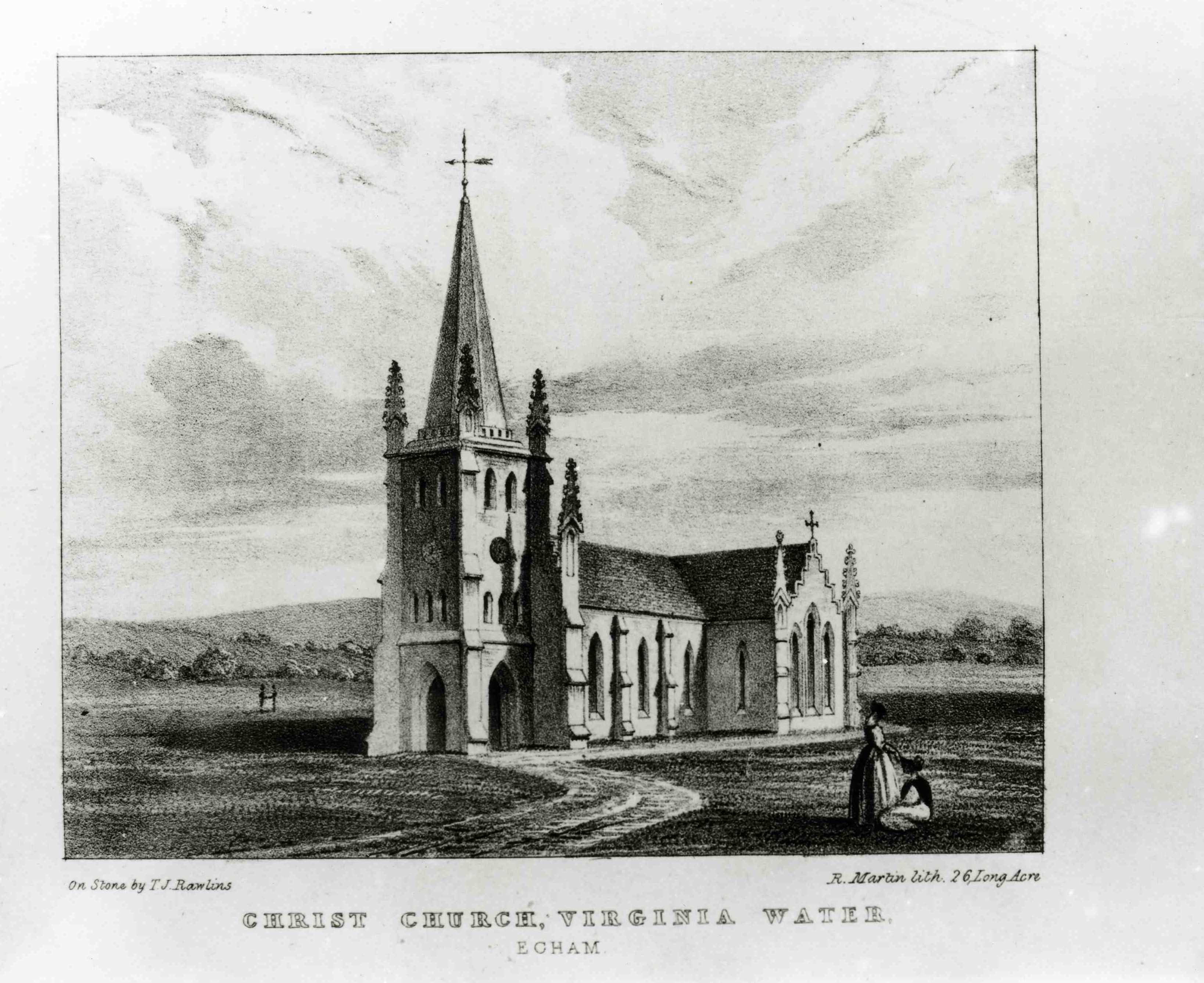
 “A little boy is on the beach. On his knees he scoops the sand with his plastic shovel into a bright red bucket. Then he upends the bucket on the surface and lifts it. And, to the delight of the little architect, a castle tower is created.
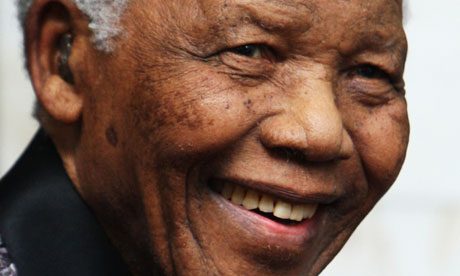 “During my lifetime I have dedicated myself to this struggle of the African people. I have fought against white domination, and I have fought against black domination. I have cherished the ideal of a democratic and free society in which all persons live together in harmony and with equal opportunities. It is an ideal which I hope to live for and to achieve. But if needs be, it is an ideal for which I am prepared to die.”